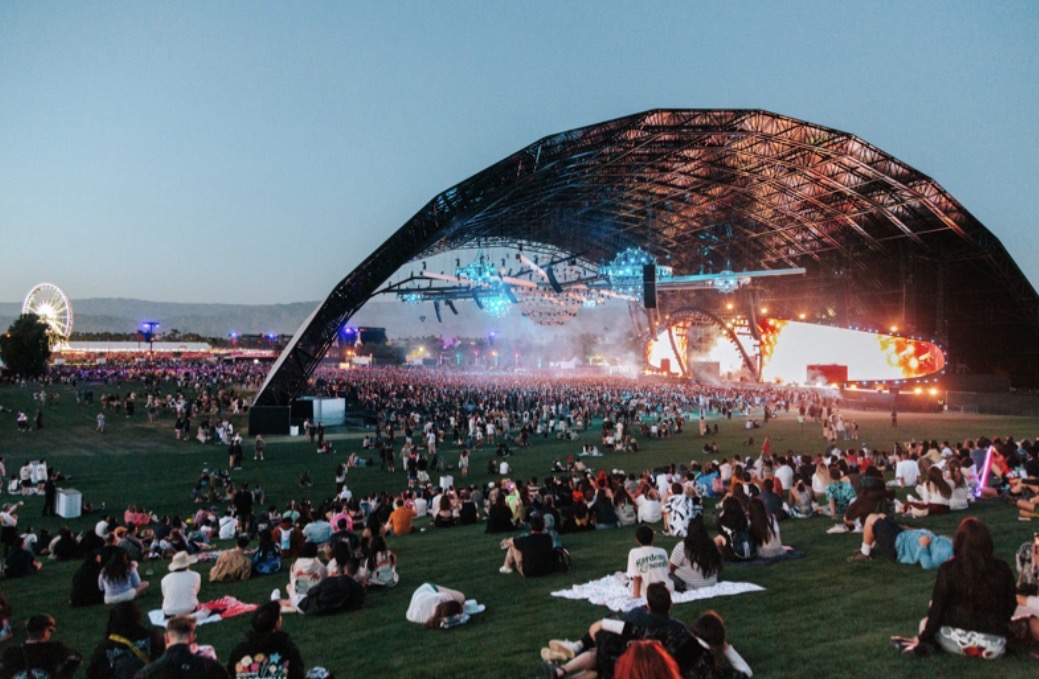
Most people who have been on social media platforms within the past month have probably seen an influx of posts about Coachella on their feed, whether it be about the fashion or surprise celebrity guests. However, these values weren’t always what the main point of this festival was. The rise in influencer popularity combined with the brand trips has altered the purpose, with many being unaware of the origins of music festivals like these. Although Coachella started in 1999, the first festivals trace back to the 1960s. Often they reflected the values of the “hippie” era, being a form of self expression and rebellion against war and traditional values of the time. Ones such as Woodstock and Monterey pop were closely tied to peace movements, representing the huge culture shift that occurred. They died down shortly due to frequent disorganization, but quickly rose again in the early 1990s with a similar message of expressing personal art and identity. As social media usage started to become more prevalent, these music festivals have strayed from their values of community engagement.
It’s not uncommon to see influencers and celebrities partner up with brands for large festivals like Coachella, but the overall commercialization has grown in recent years. As social media platforms rose, influencers became a way to monetize off of the music. Although advertisements with events like these have always existed, it used to be on a much smaller scale. Company logos would be displayed banners on or around the stage area, but now they make up a huge part of the actual festivals. Brands host pop-up events and sponsor influencers to attend, making it impossible to notice their presence. Oftentimes, entire stages will be sponsored, with exclusive areas reserved for those who have been endorsed by them. This not only takes away the focus from the music and shifts it towards celebrities, but also creates a false narrative for what a music festival should look like. Now the event must appear appealing to social media, setting up the expectations for all fans to wear certain clothing or act in a more marketable way. As commercialization continues to grow, more regular fans will be priced out as ticket prices and expected add ons (such as clothing or access to certain experiences) become more expensive.
A central theme of older festivals was shared equality that everyone experienced together. All people saw the same stage under the same conditions, which meant you could be standing next to almost anyone. This randomness created a sense of community amongst the festival attendees, allowing less separation to occur. However, this key attribute to music festivals has slowly been lost over time with layered access rising in popularity. Most events will be divided into at least three categories: General access, VIP and Ultra VIP. These groups have an extreme difference amongst them, with regular GA ticket holders having to wait in long lines and packed crowds. VIP and Ultra VIP holders get a much better experience, which is expected as the tickets are often double the price of GA ones, where they are separated into blockaded areas for better views. This breaks the previous equality brought from festivals, with having multiple layered access crowds instead of just one. Even with this separation occurring, many huge fans aren’t able to attend festivals at all. The average ticket price of $200-600 for general access is too high for most, and that doesn’t include the insanely expensive housing accommodations. Ultra VIP tickets can even reach up to $2,500, showing a huge divide amongst who can afford to attend. Overall, this can attract people with different motives of attending for networking/branding purposes, rather than true fans of the music who have been out priced.
As music festivals continue to rise in popularity, it is clear that some of the original purpose has been lost. While monetization is one of the aspects that has changed the most, it has also allowed for festivals to expand their influence. However, there’s a healthier balance that can be achieved between festivals of the past and ones in the present, which reduces the starch divide between people attending. Keeping VIP tickets, but limiting how isolated some of the spaces are could help to bring back a closer version to past equality. Additionally, having phone free zones in certain areas could reduce the overall fakeness that festivals have been utilizing for social media purposes. While it is unlikely that festivals will return back completely to their original origins, becoming more present in the moment may hopefully bring back the sense of unity and artistic expression that was key to their past.