

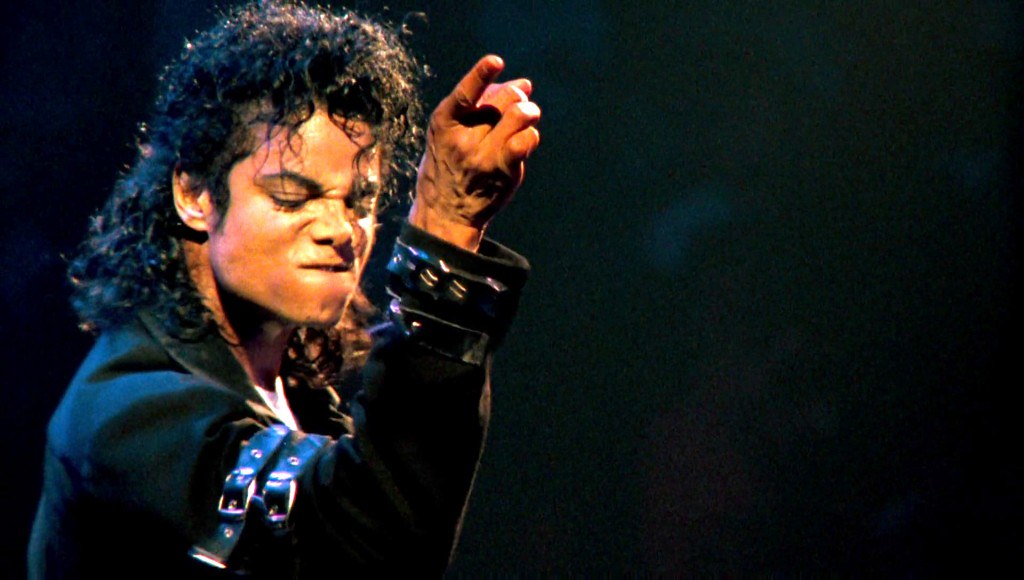
As of May 2026, “Michael,” directed by Antoine Fuqua and starring Jaafar Jackson, has grossed over $802 million worldwide. The film is now on track to become the highest-grossing musical biopic of all time. Michael Jackson, often referred to as the “King of Pop,” remains one of the most influential entertainers in modern history, making anticipation leading up to the film incredibly high. While the film succeeds in recreating many of Michael’s most iconic performances, it ultimately feels more like a tribute concert than a complete exploration of the man behind the music.
Although I grew up listening to and enjoying Jackson’s music, I would not consider myself a die-hard fan. Still, I entered the theater curious to see how the film would portray one of pop culture’s greatest figures. Despite the film’s unfortunate tendency to gloss over important details, it is ultimately saved by Jaafar Jackson’s performance. As Michael’s real-life nephew, there was a great deal of pressure on him to live up to one of the most recognizable entertainers in history. After viewing the trailer for the “Michael” movie, I was worried that he would over-exaggerate Michael’s voice, mannerisms and movements, but he did the opposite. I was very impressed and could definitely tell from his performance that he studied his uncle thoroughly. His portrayal of Michael felt almost natural, especially during the performance scenes. The “Bad” sequence, “Billie Jean” performance and the “Thriller” music video were highlights and evidence of how much work Jaafar put into embodying his uncle.
However, the film struggled when it came to telling Michael’s story beyond the stage. A large portion of the runtime is dedicated to recreating concerts and other monumental performances in Michael’s career that many viewers are already familiar with. While those scenes are entertaining, they leave less room for a deeper interpretation of who Michael really was, defeating the purpose of an actual biopic. For example, Janet Jackson is barely present despite her importance to both the Jackson family and music history, which I found heavily disappointing. Another surprising omission I noticed while watching the film is the absence of mention about “The Wiz,” a modernized, 1978 disco-inspired adaptation of “The Wizard of Oz,” which played a major role in Michael’s early career. Not only did “The Wiz” showcase Michael as a leading actor, but it also led to Michael’s partnership with Quincy Jones, who would go on to produce some of Michael’s most successful albums. Along with the lack of attention given to Janet Jackson, cuts like these make the movie feel incomplete. Additionally, the decision to make the biopic span a two-decade period felt very limiting to me, as I walked in the theater expecting to see more.
The movie softens some of the more difficult aspects of Michael’s life. The Jackson 5 portion of the movie feels heavily watered down. Joe Jackson’s treatment of his children is shown, but the long-term effects it had on Michael are underexplored. The film presents Joe simply as a strict, old-school father whose sons occasionally argued with him. In reality, many accounts from members of the Jackson family describe a much deeper level of abuse and trauma that had lasting effects on Michael throughout his entire life. The biopic also avoids exploring many of the long-term consequences of Michael’s childhood fame, such as the pressure placed on him as the breadwinner of the family and primary star. By softening these experiences, the film misses a dire opportunity to help audiences better understand the person behind the celebrity.
Ultimately, “Michael” feels less like a true biography and more like a celebration of Jackson’s career. To be fair, I won’t say the film completely ignored Michael’s struggles; it does mention important events, like the Pepsi accident and his decision to fire Joe Jackson. However, compared to the amount of time spent recreating performances, these moments feel rushed. There were plenty of opportunities to explore the stories, inspirations and experiences behind Michael, but the film instead chose to gloss over them and move on to the next performance instead. Considering that the film was produced with heavy involvement from Michael’s estate, that approach is not entirely surprising.
Despite all these shortcomings, Jaafar Jackson’s performance is surprisingly impressive and never felt like a lazy imitation of his uncle. His portrayal is one of the film’s greatest strengths and helps make “Michael” an enjoyable watch, even if it leaves many important stories untold.











Lucia • Jun 3, 2026 at 9:17 am
I really enjoyed reading this article. As a huge Michael Jackson fan myself this was so well written and put together!
Sydney • Jun 2, 2026 at 1:52 pm
This is great Jayden!!