It is undeniable that old films capture a certain charm modern movies cannot. Old Disney, for example, is marked by simple yet expressive animation, classic plotlines and a comforting sense of nostalgia lacking in most of the more recent Disney movies. These films remind us of the “old days”; simpler times spent around the TV with our families. But while they are indisputably important to the world of cinema, there are darker aspects to many of them that should be kept in mind.
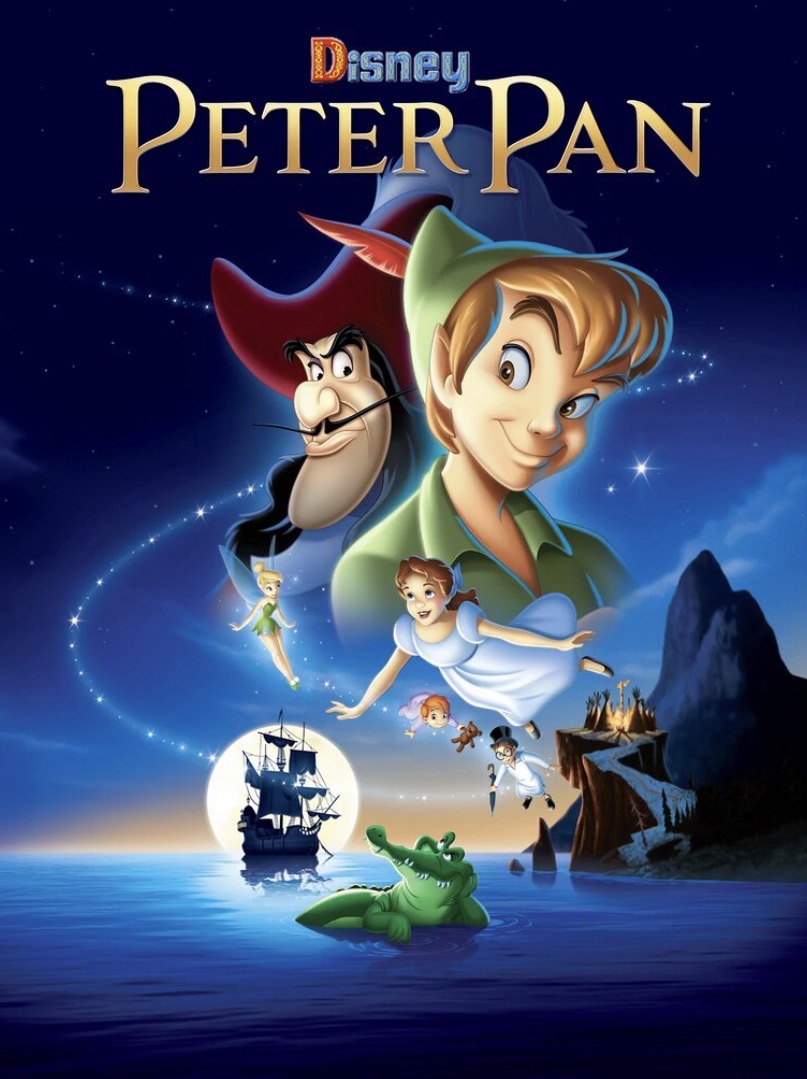
Racist language and stereotypes are common in several old movies. The original “Peter Pan” from 1953 repeatedly uses the word “redskin” to describe Native Americans, which is considered a slur. It also includes a song called “What Made the Red Man Red” that depicts natives as savage and stupid. After that scene, Peter Pan and the Lost Boys dress and dance in ways that mock Indigenous cultures.
The 1941 film “Dumbo” also perpetuates racist ideas and caricatures, this time against African Americans. It features a group of crows led by “Jim Crow,” which references the 19th and 20th century U.S. laws enforcing systemic oppression and segregation. The crows perform a song called “When I See an Elephant Fly”. The performance is a tribute to minstrel shows, in which white actors would use blackface makeup to portray extremely dehumanized versions of African American characters. The primary purpose of minstrel shows was to entertain white audience members and justify slavery.
Another song in “Dumbo” focuses on faceless, shadowed laborers working to set up a circus tent, with lyrics like “we never learned to read or write” and “we slave until we’re almost dead”. The song also includes a line where an off-screen man refers to one of the workers as a “hairy ape”. Considered the most racist part of the film, this scene presents a glorified image of slavery that continues to mock Black history.
There are many other classic movies, including several more made by Disney, in which racism is normalized and even romanticized. However, insensitivity in cinema exists in multiple forms. The 1984 hit “Sixteen Candles” is a prime example: one scene involves the male lead, Jake, allowing another man to rape his girlfriend, Caroline, when she is passed out. Then, when Caroline wakes up, she dismisses the rape as fine. This reinforces sexist ideas about consent and power dynamics within relationships- something women have been fighting against for centuries.
In recent years, movies like this have been openly criticized by members of their production teams. Disney added disclaimers in 2020 to “Peter Pan” and “Dumbo”, as well as four other potentially offensive films, saying that the racist stereotypes “were wrong then and are wrong now”. That message was later updated to warn viewers that the films are “presented as originally created” and “may contain outdated cultural depictions”. Molly Ringwald, who played the protagonist in “Sixteen Candles”, has also come forward about the movie’s perpetuation of rape culture.
As mentioned previously, each one of these movies is in some way influential to modern culture. But their cultural prominence is not an excuse to disregard the offensive topics in them. While the racism and sexism showcased in films like “Peter Pan”, “Dumbo” and “Sixteen Candles” may have been widely viewed as acceptable when they were created, current audiences need to recognize the danger in such acceptance. Brushing these things off as simply “part of the time period” suggests that there wasn’t anything problematic about them during that time period, when in fact they have always been problematic. Banning these movies is not the solution—it is crucial for the past to be studied in order to understand the progress society has made and the progress still to be made. But this understanding will not come without thoughtful consideration and discussion of the causes, effects and implications of harmful ideas. Watching old movies is an opportunity to do just that.