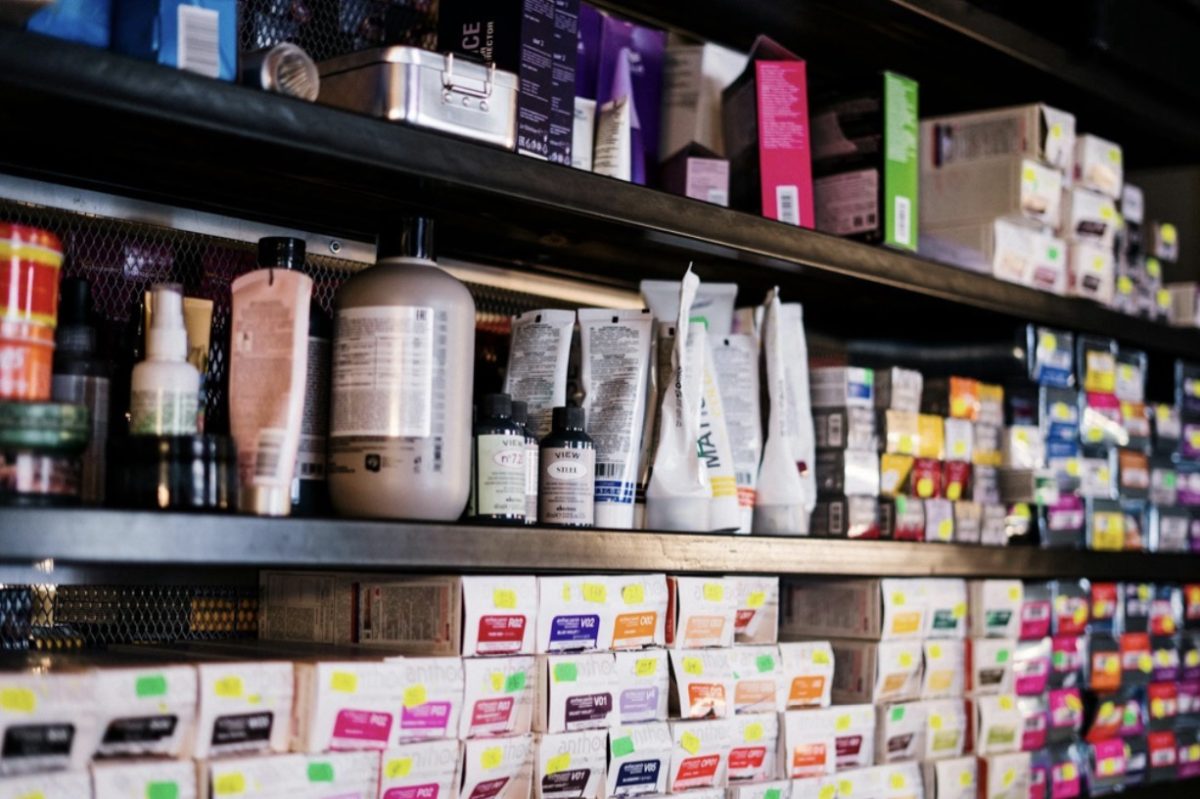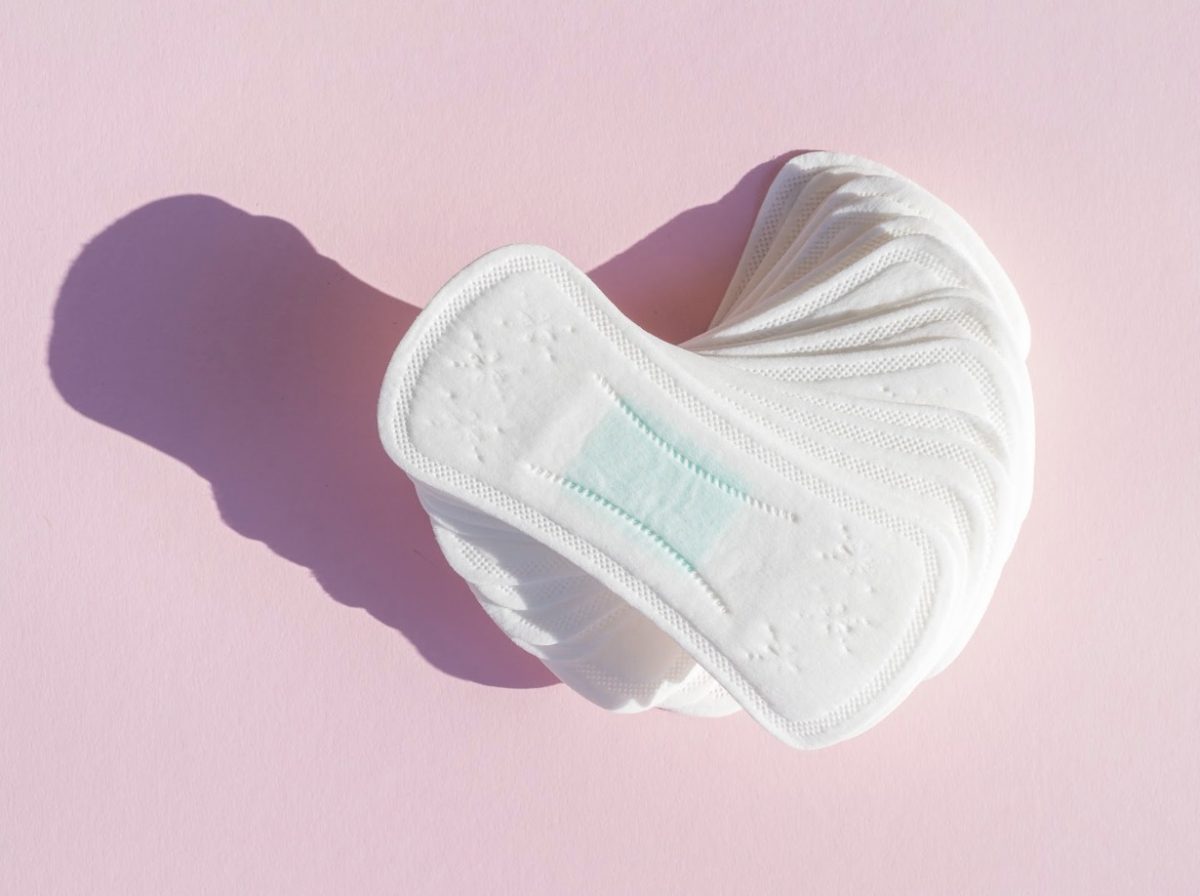
In an America characterized by economic uncertainty, complaints about the price of groceries or gas are common. This comes as no surprise seeing as the majority of Americans need those things on a regular basis. However, there is another kind of product used by countless people every day that is also unfairly expensive: feminine hygiene products.
In the US, one in four teenagers and one in three adults have trouble affording menstrual products. The most commonly used pads and tampons cost an average of $6 to $7 per box. Those payments add up to between $2,000 and $4,500 over one’s lifetime–a notable financial blow for the 9.6% of Americans between the ages of 18 and 65 who live below the federal poverty line.
What makes these products so outrageously expensive? Part of it is simply inflation; the cost of some plastic resins and cotton, which are used in pads and tampons, has significantly increased. But there are other policies affecting the cost of period products, such as the tampon tax and the monopolization of production companies.
When an industry is monopolized, all or most of the companies that comprise that industry are bought out by one very large, very rich company. Since that company is in control of a significant portion of the industry and faces less competition, it can set prices to whatever it wants. That means that consumers could be forced to pay high prices simply because they don’t have other options.
This monopolization is present in the period product industry in the form of Procter and Gamble, the brand that dominates 60% of pad and tampon sales. Although Procter and Gamble offers some variety in the specific type of pads and tampons it produces, people who menstruate deserve more options- especially when it comes to price. Giving other companies more publicity would allow consumers to examine those options and decide which is best for them. Human bodies should not be so strategically profited off of.
Another addition to the financial stress of menstruation is the tampon tax. The tampon tax is a sales tax on feminine hygiene products in 18 states, where they are classified as non-essential “luxury” items. The tax ranges from 4% to 7% and can add up to several hundred dollars over a lifetime. In many states, necessities like groceries and prescription medication are exempt from sales tax—why aren’t period products, which are arguably also necessities, exempt as well?
A common counterargument is that these products are not necessities because not having access to them doesn’t directly kill anyone. However, when people who menstruate use one pad or tampon for an extended period of time or substitute other things for period products, such as rags or paper, it can cause several health problems. Studies show that women who use disposable pads are less likely to show symptoms of or be diagnosed with urinary tract infections (UTIs), toxic shock syndrome or bacterial vaginosis and are also at a lower risk of issues like skin irritation. Because these conditions can cause serious harm and possibly death for people who can’t afford quality medical care, it is perfectly reasonable to say that feminine hygiene products do qualify as necessities.
The impacts of overpriced menstrual products extend beyond physical problems to both school and social settings. Not having access to period products can lead to bleeding through, a source of humiliation for many young menstruating people, and this fear of this humiliation causes a lot of them to miss school or important events. In fact, one study found that one in three teenage girls in America skipped school because of a lack of access to period products. It can also increase the stigma around periods and promote shame about a normal process. This shame can make menstruating people feel very uncomfortable and could hinder conversations with their doctors, potentially leading to some of the health conditions mentioned above.
Menstruation is something that half of the global population experiences. Quality feminine hygiene products are necessary for countless people’s health, both physical and mental, and not having access to them has a variety of negative effects. While it is economically unreasonable for them to be made completely free, the tampon tax and the monopolization of the industry are nothing but detrimental and play a role in perpetuating the “period poverty” that countless Americans face. Adequate healthcare, which includes menstrual healthcare, should be something that is available to everyone, and price additions to period products are only preventing progress towards that goal.