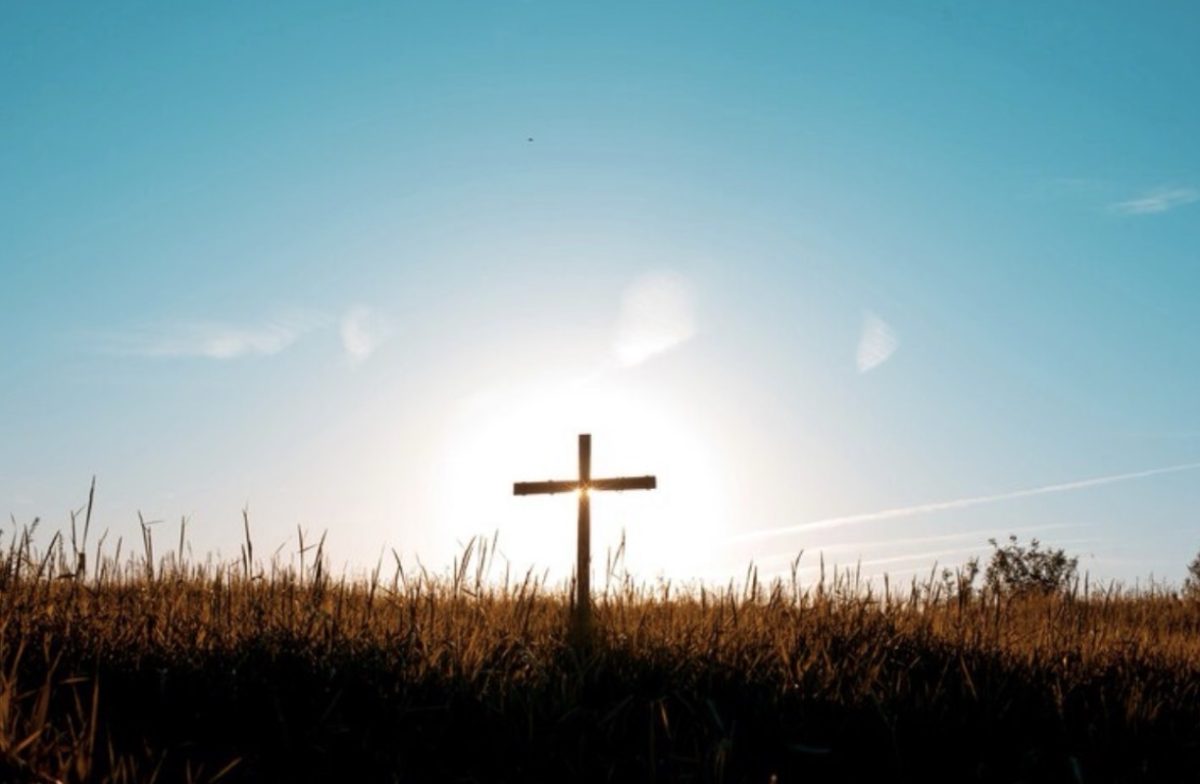
Since 1791, when the Bill of Rights was ratified, a separation between government and religion has been a pillar of American ideals. The Founding Fathers seemingly understood the importance of religious diversity, but in reality, there are many small features of Christianity that sneak their way into everyday life. While not technically legally required, these often-overlooked traditions quietly reinforce the notion that it is the superior faith, despite the millions of Americans who either adhere to another religion or are atheist.
To clarify, I am not anti-Christian or anti-religion in any way, and I understand that Christianity is the dominant faith in the U.S. This being said, that does not mean other faiths can be ignored. I believe that a true separation between church and state is something Americans should strive for and the following observations are simply meant to bring attention to our country’s lack of that separation.
Starting off with something relevant to students here at Manheim Township: several school holidays such as winter break and the long weekend we have in the spring are centered around Christian holidays, specifically Christmas and Easter. While some schools do include additional time off for days important to other religions, the fact that Christian holidays are often the only ones given multi-day breaks demonstrates an emphasis on the Christian faith. Like Christmas, many other religious holidays involve family gatherings and celebrations. Their significance to communities and cultures across America should be respected by setting aside time for them to prepare and participate in those things.
Another tradition common at presidential inaugurations is placing their hand on a Bible while they say the Oath of Office. While not technically a legal requirement, all but three American presidents have followed this tradition at their inaugurations (The exceptions were Theodore Roosevelt, John Quincy Adams and Lyndon B. Johnson, who swore on a Catholic missal thinking it was a Bible). This practice unofficially connects presidential power to religion and can distinctly alienate citizens of other faiths. Since the Oath of Office involves swearing to protect the U.S. Constitution, it would make more sense for the president-elect to place their hands on the Constitution instead.
Two final ways that religion sneaks its way into everyday life is through American money and the Pledge of Allegiance. Starting in 1864 with the two-cent coin, the words “In God We Trust” have appeared on all U.S. currency, both coins and paper bills. In fact, that very same phrase is the official motto of our country. That alone indicates the promotion of Christianity by the government, which is further underlined by the line in the Pledge of Allegiance that reads, “one nation under God.” Those last two words were added by Congress in 1954, making the U.S. more religiously-associated rather than less. These simple words are ingraining Christianity into American society and do not serve a specific purpose, so there is no reason why they should be kept on our currency and in the Pledge.
Despite America’s overall message of embracement of cultural and religious differences, there are several small features of Christianity present in our daily lives that subtly emphasize a preference. Considering the persecution many other religions have faced even within the past century, these features are only widening the rift in society that can come as a result of these other religions feeling underrepresented. America is seen as a melting pot of countless cultures and diversity in faith should be celebrated-not glossed over.