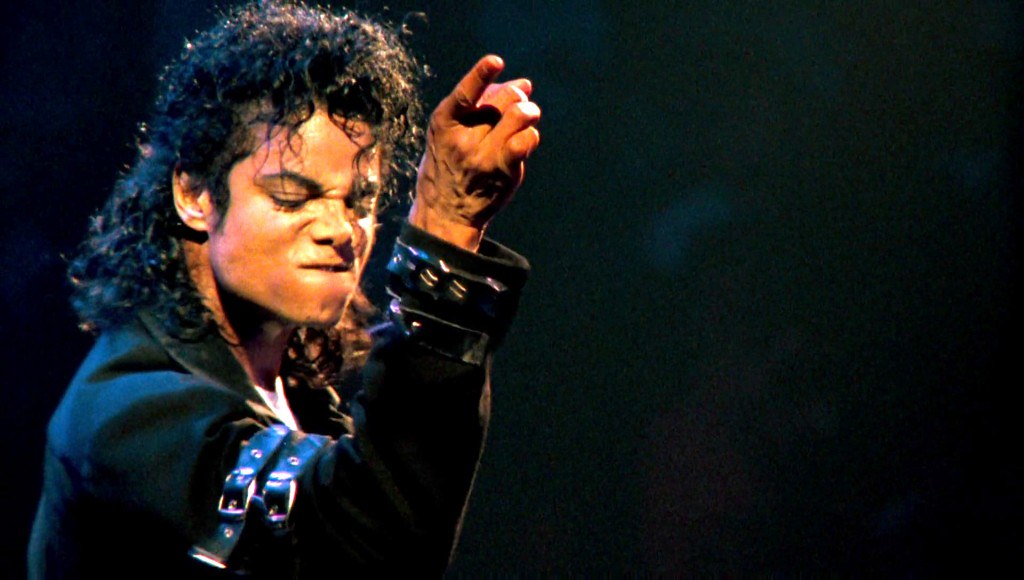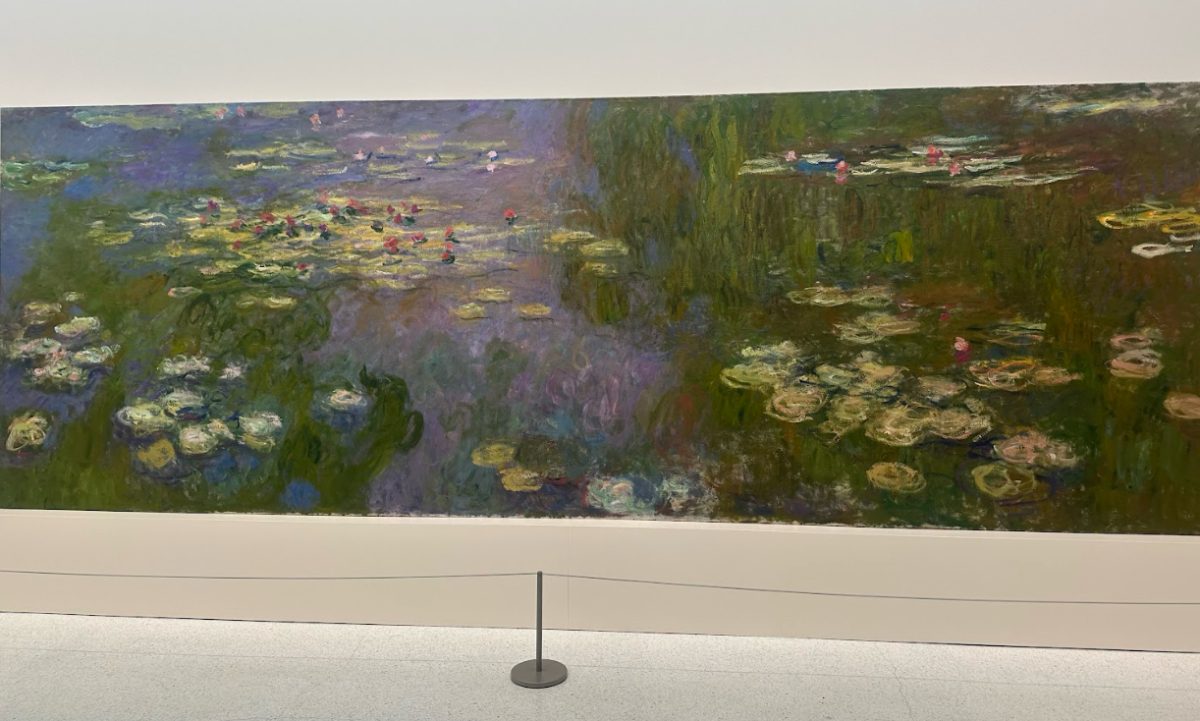
The heartbeat of our culture is found in the center of the arts. Since the dawn of time, humanity has expressed itself through physical art, music, acting, dance and many other forms of creative expression. So, what happens to a society when this expression is not prioritized or is not given the funds it needs to flourish?
Over the past year, art programs nationwide have experienced funding cuts or lost their grants. Grants and government funds help to fill the gap between the profit earned from artistic endeavors and the cost of supplying and employing these organizations. While you cannot put a price on the social benefit provided by community art projects, art education and small businesses, they are not usually “making big bucks.” Without policies and systems in place to help provide this money, art programs—especially in already underfunded and underrepresented communities—will suffer.
As a result of funding cuts to federal agencies such as the National Endowment for the Arts (NEA) and the National Endowment for the Humanities (NEH), this has been exactly the case. In July, the government’s appropriation bill proposed a 35% reduction to the funds allocated to both agencies.
This was not the first time this year that the arts have taken federal pay cuts. In May, thousands of grants awarded by the NEA were cancelled by officials in the Trump Administration as part of a campaign to reduce government spending, despite the NEA only consuming about 0.004% of the federal budget.
The grant cancellations were explained by a statement that said the NEA was “updating its grantmaking policy priorities to focus funding on projects that reflect the nation’s rich artistic heritage and creativity as prioritized by the President,” according to NPR reporting.
Slashing grants, however, does not seem like the most effective way to promote artistic heritage and creativity. Just two years ago, the NEA was reported to award 60% of its grants to small, nonprofit art organizations and about 40% to impoverished or rural communities.
This being said, it is primarily small and local projects that will take the blow. Accessibility to community art projects, theaters, music groups and art education programs has overwhelmingly positive impacts on children. These grant-funded programs provide opportunities for skill development, creative expression, expanded sense of identity and community enrichment.
Not only does this issue affect communities with lower populations or higher rates of poverty, but this neglect of the arts and humanities is seen in the budget appropriations for many universities in the United States. In many cases, top universities spend at least $120 million annually on their athletic programs, and fund STEM programs disproportionately to art and humanities programs. While these branches of education hold undeniable importance in our world, students pursuing the arts deserve increased, if not equal opportunities to STEM students.
These statistics reveal a deeper truth about the lesser regard that our society holds for the arts. Aside from economic value, the art and humanities fields contribute indescribable cultural significance and social advocacy to society. Additionally, many organizations promote community building, and therefore an increased sense of identity and wellbeing for participants.
In an increasingly mechanized world, our ability to create art and performances based on uniquely human experiences is the characteristic that sets us apart from any automated service or AI generated ‘art.’ Besides this, the arts have always been a source of connection and expression in society, and that is not something we want to risk losing.
So back to the question, “What happens to a society when artistic expression is not prioritized or is not given the funds it needs to flourish?” In spite of the monetary support the artistic community is lacking, we should not allow this hypothetical to become a reality. By investing time, advocacy and funding in the arts, we can uphold the traditions that date all the way back to the first handprints etched in cave walls and protect the fundamental role that the arts have played in shaping our world.