Teaching is an important job that many people consider pursuing. But how do you become a teacher? What classes should you take?
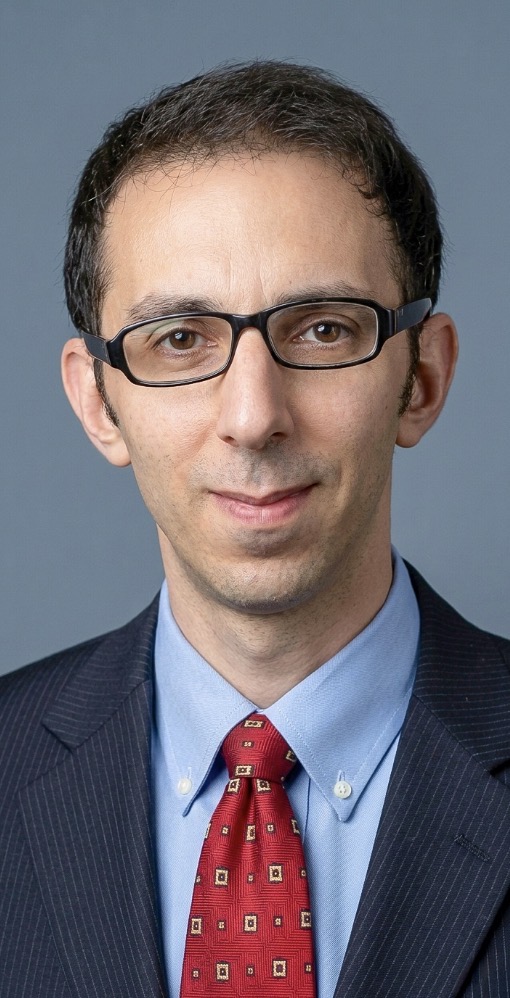
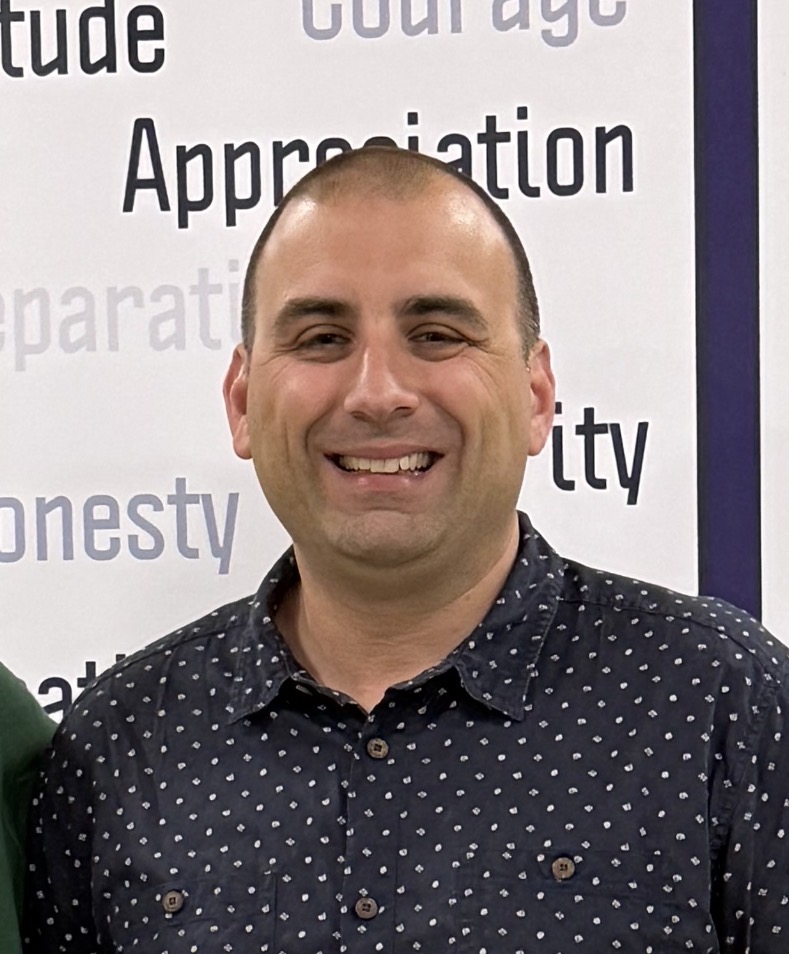
I had the opportunity to ask two of MTHS’s social studies teachers, Mr. Dick and Mr. Rutledge, to hear what their experiences were on teaching.
How long does it take to become a teacher? (College education, training, etc.)
Rutledge: It typically takes someone four years to become a teacher if they follow a ‘traditional’ path. Some people are able to graduate in less than four years if they’ve earned AP or other college credits along the way. Others sometimes take longer. Additionally, some states have created a variety of new pathways people can follow to become teachers. If someone already has a bachelor’s degree, they are able to enter a program that gets them their teaching certificate. There are also programs that allow people with a bachelor’s degree to begin teaching and complete student teaching requirements to earn their teaching certificate.
Dick: It takes about four years to become a teacher. You must go through a four year bachelor’s degree, typically in your content area, and achieve a teaching certificate. Some people do this differently, and will get a bachelor’s degree in something that’s not teaching, then go into a post-bachelors program to get their teaching certificate, but that is the long way of doing it. To get a teaching certificate you have to take a test called the Praxis, which tests you on the content you plan to teach, so for me it was history. It is a large, three hour test that can ask you any question about history.
What classes do you recommend taking through both high school and college?
Rutledge: It depends. If you want to teach a subject area at the secondary level, I would take extra courses in that area. I think anyone interested in education would benefit from taking a psychology course in high school. Child development courses are great too. MTHS recently started a new program called Educators Rising that allows students to learn about the field of education, potentially earn college credit, and participate in internship/shadowing experiences within our school district. The students who have taken the courses and done the internships have loved the experience. This advice would translate to college as well. When you enter a major in college, there are typically required courses you need to take as part of your degree program, so you might not have a ton of choice with those.
Dick: The classes I recommend to take in high school would be a public speaking class. I think this significantly helped me with talking and being confident speaking in front of people. I would also recommend finding some sort of leadership role, where you have to plan for activities. In college I would recommend taking education psychology, and normal psychology so you can understand how the teenage brain functions.

What advice do you have for students who want to pursue a career in education/teaching?
Rutledge: I encourage those interested in education to pursue a career. I love my job. No two days are the same. I thoroughly enjoy getting to know and support my students and am grateful for all of my colleagues. If you can volunteer at camps (or work at ones that pay) or find other ways to work with and help kids. Doing that type of work is great experience that will help you practice your teaching skills and how to navigate working with younger people.
Dick: The advice I have for students is to work with students when you are in college. I think it is important to get familiar with working with children from the beginning to ensure you really do enjoy the work. If you do not like children then the job will be very hard to get through.
What is one thing you wish you’d done differently?
Rutledge: I’ve been very happy with the path I’ve taken and the work I’ve done along the way. When considering my work in high school and college to prepare for a career in teaching, I probably would have worried less about every detail and focused more on the bigger picture. Details are important in learning and teaching, but finding a healthy balance between the details, the big picture, and the never-ending to-do list that comes with teaching is important.
Dick: One thing I wish I did differently is going to Millersville University from the start. It is a very good teaching school that would have saved me a lot of money from the start.
What is one thing you are glad you did?
Rutledge: I’m glad that I sought out every opportunity I could in high school and college to learn and grow as a teacher. Sometimes that was going to conferences. Sometimes it was attending lectures. Sometimes it was volunteering at events. All of those things helped provide me with a broader set of experiences and connections that allowed for me to find success in college and in my first few years of teaching.
Dick: I am glad that I put myself out there and networked heavily with other education organizations. Teaching typically is not seen as a networking job, but it significantly helped me out. I met with many different administrators and school districts before I was looking for jobs, all of which helped me when finding a job.