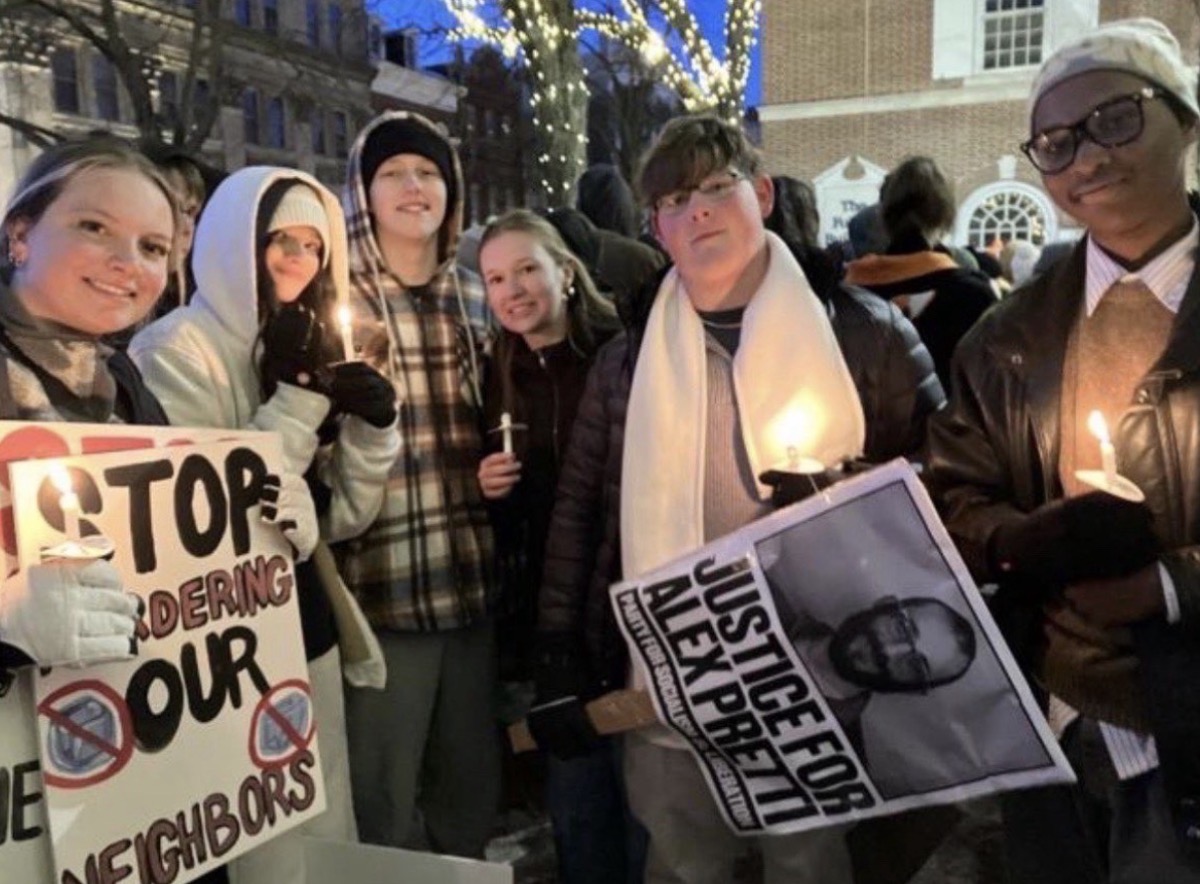
By now, you’ve probably heard about the walkout MTHS students staged on Feb. 17. The purpose of the walkout was to protest the unnecessary violence of the federal agency called Immigration and Customs Enforcement, or ICE. It was a defining event of the 2025-2026 school year so far.
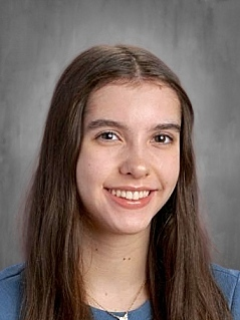
The four students who played the most prominent role in organizing the walkout were junior Salina Chauhan, senior Ethan Melinger, junior Claire Nauman and senior Brody Ketner. The planning process began in January, shortly after the killings of Minneapolis residents Renee Good and Alex Pretti at the hands of ICE agents.
For many of the organizers, the protest stemmed from the lack of empathy shown by ICE agents. And for Chauhan, the government’s anti-immigrant sentiment is very difficult to witness.
“My family immigrated to the United States in 2012 under refugee status and we were fortunate to experience a fair and supportive process,” she said. “We were given safety, stability and a genuine opportunity to build a better life. Seeing that same opportunity now being threatened for other immigrants and refugee families is deeply personal to me.”
While some students don’t feel the direct effects of ICE’s actions, Chauhan believes that the unease felt by students who come from immigrant families impacts the entire student body. She explained that the anxiety these students feel affects their academic performance and mental health and, by extension, the entire school community.
A common criticism of the walkout was that a protest by several hundred high schoolers from a region that hasn’t felt as many direct effects of ICE’s activity wouldn’t accomplish anything. The organizers knew that federal immigration policy wouldn’t change solely as a result of MTHS’ walkout, but they wanted to show that today’s youth take action on their own to stand up for their beliefs.
“Doing this walkout, we join the thousands around the country standing together in the face of tyranny and making our opinions heard in a peaceful and safe way,” Ketner said.
Mellinger and Nauman added on by saying that they hoped the walkout would spread awareness about the violence of ICE and show solidarity with immigrants. They encourage students to speak up about what they believe in and not shy away from educating themselves.
“We grow up very aware of social and political issues,” Nauman said about America’s teenagers. “It can be overwhelming, but it also makes us more passionate. Even if we can’t vote yet, these issues affect our lives. Our voices still matter.”
About a week after the walkout took place, participants were notified that they were required to attend an after-school detention. The detentions were distributed on the basis of unexcused absences, not the actual protest itself. The possibility of punishment was a reason many students did not participate, but the ones who did decided the protest was worth potential punishment.
“I would like to make it clear that this walkout is not about disruption for the sake of disruption,” Chauhan said. “We are asking for understanding, compassion and a commitment to protecting all students equally.”
In a time of extreme political division and constant changes in leadership and policy, MTHS students aren’t afraid to make themselves heard. The organizers of the walkout saw a problem with the way America currently operates and decided to do something about it.