Journalism is a constantly evolving field. We can even see this in our own publication. Although we could go back hundreds and hundreds of years to the first publication ever written, the most notable changes that affect our current day occurred in the past 300 years or so.
To fit all of the highlights, I will mainly focus on journalism in America; however, I will not ignore international publications and their history. To start, the thing that makes journalism such a pillar in our country is the First Amendment. In December of 1791, the First Amendment became a part of the Bill of Rights. This was monumental for journalists, because one of the five components of the first amendment is the freedom of the press. Although this is widely known, we need to think about what this meant for journalism.
The Associated Press was formed in 1846. For those who took Journalism 1, among the other classes available at the school, you may recognize this name. This is because this is the organization that AP style comes from, which is the format all journalists use in their writing. The Associated Press is one of the first news sources to break headlining stories, and is where most other publications get their information from.
In June of 1850, Harper’s Magazine was started. Harper’s is the country’s oldest general interest magazine and was hugely impactful on publishing a range of topics from current events to pop culture.
In 1871, the rise of political cartoons began. Although they may not seem that important to journalism, the cartoons of Thomas Nast, the so-called “Father of Political Cartoons,” influenced elections and even the elephant symbol for the Republican Party. Political cartoons were a new way to express opinions and current events in an effective and comical manner.
The first regularly scheduled radio show aired in 1912. This shift in method for journalism was a new way to get information out quickly to the public with the use of mass media. Radios have since been a hub for music and entertainment, although news programs still use it today.
The 1920s was a big year for journalism, with both CBS and NBC beginning broadcastings within only a year or two of each other. NBC and CBS were also the first networks to begin network television in the late 1930s. This is one of the main ways news got to the public then, although at this point not many households had television sets yet.
Although the radio was already an important tool for spreading information, it became even more popular in World War II, with Americans receiving information on the war easier than ever before.
In the early 1970s, computers made their way into newsrooms, making it more efficient to produce newspapers and print articles.
A shocking turn of events for journalism across the country was the abandoning of the 1949 Fairness Doctrine, which required news channels to show both sides of an issue when discussing controversial or dividing topics. This is how our news systems still operate today, with programs now being marked as conservative or liberal leaning.
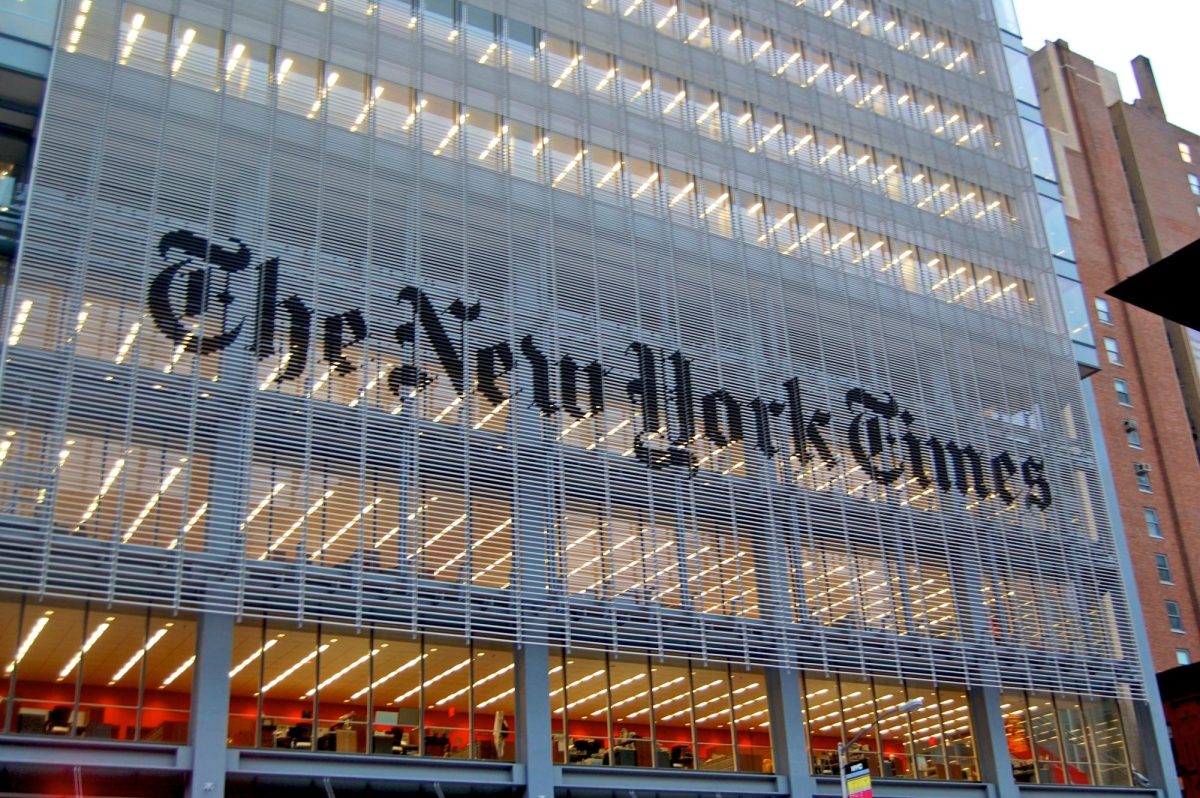
In the late 1990s, the New York Times went online with their program. This is the state we are at today with our news, and is how most people chose to get their information. User generated news was also in development at this time, which meant getting videos and pictures from people at the scene of the story instead of pictures from professional journalists, to get a more accurate view of the story.
Lastly, the place where we are today is social media. Most people now, especially teenagers, get their news from social media, which is a fast paced way for information to spread. News channels have also started to use these platforms to share information by making their own accounts. News is starting to spread from people with first hand accounts of the story through posting their own footage of it.
Although the field of journalism is constantly changing, it will always be prevalent in our lives, no matter which way the information gets to you. Overall, we are at an unprecedented time in journalism with unheard-of speed of information spreading, and the future of journalism will be eventful to say the least.